Here is our personal chef menu for this week's delivery:
Vegetarian Pad Thai
Tom Ka Gai - coconut lemon grass soup
Shepards Pie
Roasted Maple Carrots
Eggplant Parmesan
Wild Mushroom Risotto with Parmesan Curls
Shrimp & Chicken Basil Stir Fry over Jasmine Rice
Vegetarian Spring Rolls with Sweet Chili Dipping Sauce
Cold Thai Beef Salad
Feta, Kalamata Olives and Tomato Stuffed Chicken Breasts
Twice Baked Potatoes with Aged Cheddar Cheese
Grilled Chicken Lettuce Wraps
Monday, February 6, 2012


Monday, January 30, 2012
Personal Chef Menu for the Week of January 30th
Here is our personal chef menu for this week's delivery:
Perogies - Polish potato and onion dumplings, served with Sour Cream
sauce for dipping
Fresh Spinach Salad with Feta, Dried Cranberries, Pecans and served
with strawberry vinaigrette on the side
Vegetarian Lasagne - roasted vegetables, mushrooms, spinach, swiss
chard, marinara & bechamel sauces and three cheeses
Garlic Herb Bread - can be made with cheese as well, if desired.
Classic Chicken Pot Pie - with chunks of tender chicken, peas, carrots
and potatoes in a rich sauce. Topped with flaky pastry and ready to be
popped in the oven.
Roasted Beets
Sweet & Sour Meat Balls - made with lean ground turkey in a rich
sweet-savory sauce
Roasted Asparagus
Perogies - Polish potato and onion dumplings, served with Sour Cream
sauce for dipping
Fresh Spinach Salad with Feta, Dried Cranberries, Pecans and served
with strawberry vinaigrette on the side
Vegetarian Lasagne - roasted vegetables, mushrooms, spinach, swiss
chard, marinara & bechamel sauces and three cheeses
Garlic Herb Bread - can be made with cheese as well, if desired.
Classic Chicken Pot Pie - with chunks of tender chicken, peas, carrots
and potatoes in a rich sauce. Topped with flaky pastry and ready to be
popped in the oven.
Roasted Beets
Sweet & Sour Meat Balls - made with lean ground turkey in a rich
sweet-savory sauce
Roasted Asparagus
Monday, January 23, 2012
Personal Chef Menu for the Week of January 23rd
Here is our personal chef menu for this week's delivery:
Smoked Pork Chops with Dijon Honey Glaze
Maple Butter Sweet Potatoes
Chicken Cordon Bleu
Garlic Green Beans
Beef Tenderloin with Cabernet Sauce
Garlic Mashed Potatoes
Indian Tandoori Yogurt Chicken
Babganouj with Pita Bread
Smoked Pork Chops with Dijon Honey Glaze
Maple Butter Sweet Potatoes
Chicken Cordon Bleu
Garlic Green Beans
Beef Tenderloin with Cabernet Sauce
Garlic Mashed Potatoes
Indian Tandoori Yogurt Chicken
Babganouj with Pita Bread
Saturday, November 12, 2011
U.S. Embassy Cocktail Party Tonight!

We are catering a cocktail reception for the U.S. Embassy tonight.
The menú:
Thai Chicken Skewers with Peanut Sauce
Fried Cheese Raviolis with Marinara
Spanikopita with Taziki
Insalata Caprese
Beef Tenderloin Crostini
Wild Mushroom Pâté
Mini Brownie Bites with Nutella & Fresh Raspberries
Saturday, November 5, 2011
Culinary Spice Article - Caramelizing Onions and Burnt Beans
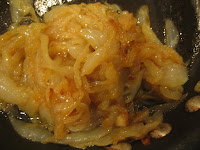
Originally published in The News newspaper on November 4, 2011
Q: I love French onion soup, but haven't found a restaurant here that does it well. I going to make it myself and use caramelized onions, but mine always cook unevenly - half burnt and half still hard. Do you have any tips?
Karen, Mexico City
A: Breaking down and browning the natural sugars in onions gives them a melt-in-your-mouth texture and rich flavor that add an extra dimension to dishes. Onions are about 75% water by weight, and as they heat up moisture from their interior begins to evaporate, forcing its way out of the onion's cells, and causing them to rupture in the process. This breakdown of the cells is what causes onions to soften during the initial stages of cooking. As onion cells continue to break down, they release their contents, a complex mix of sugars, proteins, and aromatic compounds.
Once most of the liquid has evaporated and the temperature of the onion reaches 230°F and above, caramelization begins to take place. This reaction involves the oxidation of sugar, which breaks down, adding depth of flavor to your onions.
If you are having problems with cooking them evenly, here are some tips that you can use to make your onions perfect every time.
Both the browned fond on the bottom of the pan and the browned bits on the edges of the onions are made of water-soluble sugar-based compounds that happen to be concentrated in a single area. By adding just a small amount of water or stock to the pan at regular intervals, these compounds get dissolved and redistributed evenly throughout the onions and pan. Even distribution leads to even cooking, which leads to no single part burning before the rest is cooked.
In ensure a very soft result, you can add a pinch of baking powder during the caramelization process. In general, the higher the pH (more alkaline) the faster caramelization takes place, and the onions will be softer because pectin, the chemical glue that holds vegetable cells together, weakens in higher pHs.
You can add your sugar directly to a dry pan to make a liquid caramel sauce first. Then add the onions and butter. The result is a sweeter, more complex flavor.
In addition to French onion soup, try adding caramelized onions to mashed potatoes, pizza toppings, omelettes, sautéed greens, quesadillas, pasta, risotto and vinaigrettes.

Q: Is there any way to get rid of that horrible burned taste if I accidentally burn a pot of beans?
John, Mexico City
A: Unfortunately, you may need to toss them. If just the bottom is burned, you can try gently removing the unburned top part to put in another container. Some people swear that adding a cup of milk or a spoonful of peanut butter (believe it or not) will cover the taste. I haven't tried that, but it's worth a try, especially if you are short on time.
Friday, October 7, 2011
Culinary Spice Article - Blue Corn Tortillas and Low Sodium Mexican Foods
Q: The quesadilla stand by my house uses blue corn. Is blue corn healthier than the regular corn?
Robin, D.F.
A: I have wondered about this before as well, and it just makes sense, doesn't it? That the more naturally colorful, the healthier a particular food will be? Well, this same theory turns out to be true for blue corn as well.
A study published in the Journal of the Science of Food and Agriculture, which analyzed the chemical composition of blue and white corn tortillas, found that blue corn is slightly more nutritious than regular corn. Blue corn tortillas contain 20 percent more protein than white, mainly in the amino acid lysine, and higher level of the antioxidant anthocyanin.
Blue corn also has less starch, 68% versus the 75% found in white corn. This makes it lower on the glycemic index scale, making it a better choice for diabetics and people who are trying to lose weight. Foods with a lower glycemic index are considered healthier because the sugar content enters the blood stream more slowly, providing a steady source of energy.
Keep in mind, though, that all corn loses much of its nutritional value if it is processed in to chips, so stick with non-fried items using fresh corn dough. The benefits become negligible when you are looking at a supermarket aisle full of bags of brightly colored fried dip chips.
Q: I just found out that I have high blood pressure and have to cut down on salt. What are some good things to eat and/or avoid? I live in the city and eat out all the time.

Moa, Mexico City
It is possible to eat very well in Mexico while eating a low-sodium diet, it just takes a bit of work. If possible, you can start taking your own lunches to work. A tried and true method of replacing salt in dishes is to load up on spices and fresh & dried herbs. Try increasing the amount of garlic, ginger, cayenne and cumin you normally use. Also, adding a squeeze or lime or a dash of vinegar to the final dish may give you that 'sharp note' you are looking for.
Obviously, cut down on processed foods whenever you can, as most contain obscene amounts of sodium, and always check labels for hidden salt, even in desserts. Canned beans contain a lot of salt, so make your own and add a bit of salt or herbs just at the end. If you absolutely have to use canned, rinse them well before using, which will help a bit.
When dining out, stay away from consommé soups, carnitas, beans, rice, chorizo and flour tortillas. Good choices in a restaurant are ceviche, grilled fish or chicken, guacamole and fresh salsas. If possible, ask for sauces on the side and just lightly dip every other bite in to it. When ordering fresh fruit and vegetables from a street stand, skip the chili seasoning (it has a ton of salt) and spritz on fresh lime juice instead.
After following a lower salt diet for a few weeks, your taste buds will begin to adjust and you may just find that everything tastes better. Good luck!
Juliet Lambert is the owner of Spice Catering in Mexico City. Please email your culinary questions to Juliet@SpiceMexico.com
Robin, D.F.
A: I have wondered about this before as well, and it just makes sense, doesn't it? That the more naturally colorful, the healthier a particular food will be? Well, this same theory turns out to be true for blue corn as well.
A study published in the Journal of the Science of Food and Agriculture, which analyzed the chemical composition of blue and white corn tortillas, found that blue corn is slightly more nutritious than regular corn. Blue corn tortillas contain 20 percent more protein than white, mainly in the amino acid lysine, and higher level of the antioxidant anthocyanin.
Blue corn also has less starch, 68% versus the 75% found in white corn. This makes it lower on the glycemic index scale, making it a better choice for diabetics and people who are trying to lose weight. Foods with a lower glycemic index are considered healthier because the sugar content enters the blood stream more slowly, providing a steady source of energy.
Keep in mind, though, that all corn loses much of its nutritional value if it is processed in to chips, so stick with non-fried items using fresh corn dough. The benefits become negligible when you are looking at a supermarket aisle full of bags of brightly colored fried dip chips.
Q: I just found out that I have high blood pressure and have to cut down on salt. What are some good things to eat and/or avoid? I live in the city and eat out all the time.


Moa, Mexico City
It is possible to eat very well in Mexico while eating a low-sodium diet, it just takes a bit of work. If possible, you can start taking your own lunches to work. A tried and true method of replacing salt in dishes is to load up on spices and fresh & dried herbs. Try increasing the amount of garlic, ginger, cayenne and cumin you normally use. Also, adding a squeeze or lime or a dash of vinegar to the final dish may give you that 'sharp note' you are looking for.
Obviously, cut down on processed foods whenever you can, as most contain obscene amounts of sodium, and always check labels for hidden salt, even in desserts. Canned beans contain a lot of salt, so make your own and add a bit of salt or herbs just at the end. If you absolutely have to use canned, rinse them well before using, which will help a bit.
When dining out, stay away from consommé soups, carnitas, beans, rice, chorizo and flour tortillas. Good choices in a restaurant are ceviche, grilled fish or chicken, guacamole and fresh salsas. If possible, ask for sauces on the side and just lightly dip every other bite in to it. When ordering fresh fruit and vegetables from a street stand, skip the chili seasoning (it has a ton of salt) and spritz on fresh lime juice instead.
After following a lower salt diet for a few weeks, your taste buds will begin to adjust and you may just find that everything tastes better. Good luck!
Juliet Lambert is the owner of Spice Catering in Mexico City. Please email your culinary questions to Juliet@SpiceMexico.com
Subscribe to:
Posts (Atom)